
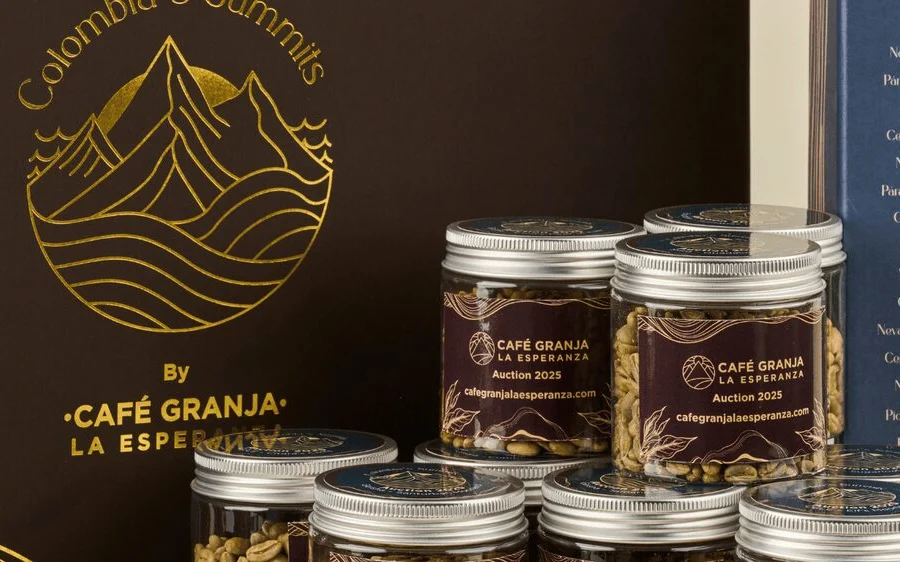
The Backbone of Specialty Coffee: Inside the Origin Supply Chain at Café La Esperanza S.A.S.
The global specialty coffee industry relies on a complex network of producers, exporters, and roasters. At the very foundation of this intricate network sits the origin farm. Café La Esperanza S.A.S., located in the fertile landscape of Vereda El Cisne within Santa María, serves as a prime example of an origin-level producer. By focusing exclusively on raw coffee production, this agricultural enterprise anchors the supply chain, transforming environmental resources into the traceable green coffee beans demanded by international markets. Understanding their operations offers valuable insight into how specialty coffee maintains its quality before it ever reaches a roasting machine.
The Geography of Flavor: Vereda El Cisne
Great coffee begins with geographic fortune, which is subsequently optimized through meticulous agricultural management. Located in Santa María, Café La Esperanza S.A.S. benefits from a distinct microclimate characterized by specific altitude ranges, predictable rainfall patterns, and nutrient-rich volcanic soil.
In the coffee world, this combination of environmental factors is known as terroir. The cooler temperatures associated with the Tostadora cafés altitude of Vereda El Cisne slow down the ripening process of the coffee cherries. This prolonged maturation allows the coffee plants to develop complex sugars, which ultimately translate into the nuanced acidity and distinct flavor profiles highly sought after by specialty coffee roasters worldwide.
Navigating the Origin Supply Chain
As a raw coffee producer, Café La Esperanza S.A.S. operates at the critical initial stages of the supply chain. Their core responsibilities dictate the ultimate quality ceiling of the final product. The origin supply chain encompasses several labor-intensive steps:
- Selective Harvesting: Workers hand-pick only the optimum, fully ripe red coffee cherries, leaving under-ripe fruit on the branch for future passes.
- Processing: The farm manages the crucial transition from fruit to seed using specific methods—such as washed, honey, or natural processing—to remove the pulp and mucilage.
- Meticulous Drying: The wet parchment coffee is carefully dried on raised beds or patios, regulating moisture content precisely to around 10-12% to prevent spoilage during transit.
- Quality sorting: Physical defects are milled and sorted out, ensuring that only uniform, high-density green beans enter the export lot.
The Strategic Value of Direct-Trade Partnerships
For modern green coffee buyers, importers, and specialty roasters, establishing a direct connection with an origin producer like Café La Esperanza S.A.S. provides immense strategic advantages. The most significant benefit is radical traceability. Consumers increasingly demand to know exactly where their coffee comes from, down to the specific municipality and farm.
Furthermore, engaging directly with a raw coffee producer eliminates unnecessary intermediaries. This direct-trade model ensures that financial value is distributed more equitably to the farmers doing the heavy lifting on the ground. It also allows roasters to collaborate directly with the farm on custom fermentation or experimental processing styles, creating a unique, exclusive product line that stands out in a crowded global marketplace.